Roofing Warranties Explained: Manufacturer vs Workmanship
Replacing a roof is one of the most significant investments you will make in your home. As a Nutmegger, you already know that our homes are subjected to a wide range of intense weather conditions, from heavy winter snow loads to fierce summer storms. When you finally decide it is time to upgrade, you want the peace of mind that comes with knowing your investment is fully protected.
However, one of the most confusing aspects of the process is understanding the paperwork that comes after the job is done. Many homeowners find themselves asking about the true difference between manufacturer and workmanship roof warranty coverage. It is a vital distinction to make, especially when evaluating different roofing companies and comparing estimates. A guarantee is only as good as the paper it is written on—and the company standing behind it.
In this guide, we will break down exactly what these different protections mean, what a lifetime roofing warranty covers, and how to ensure you are truly protected for decades to come.
The Manufacturer's Warranty: Protecting the Materials
When you request roofing quotes and begin looking at different material options, you will frequently see the phrase "lifetime warranty" attached to premium shingles. But what does a lifetime roofing warranty cover in reality?
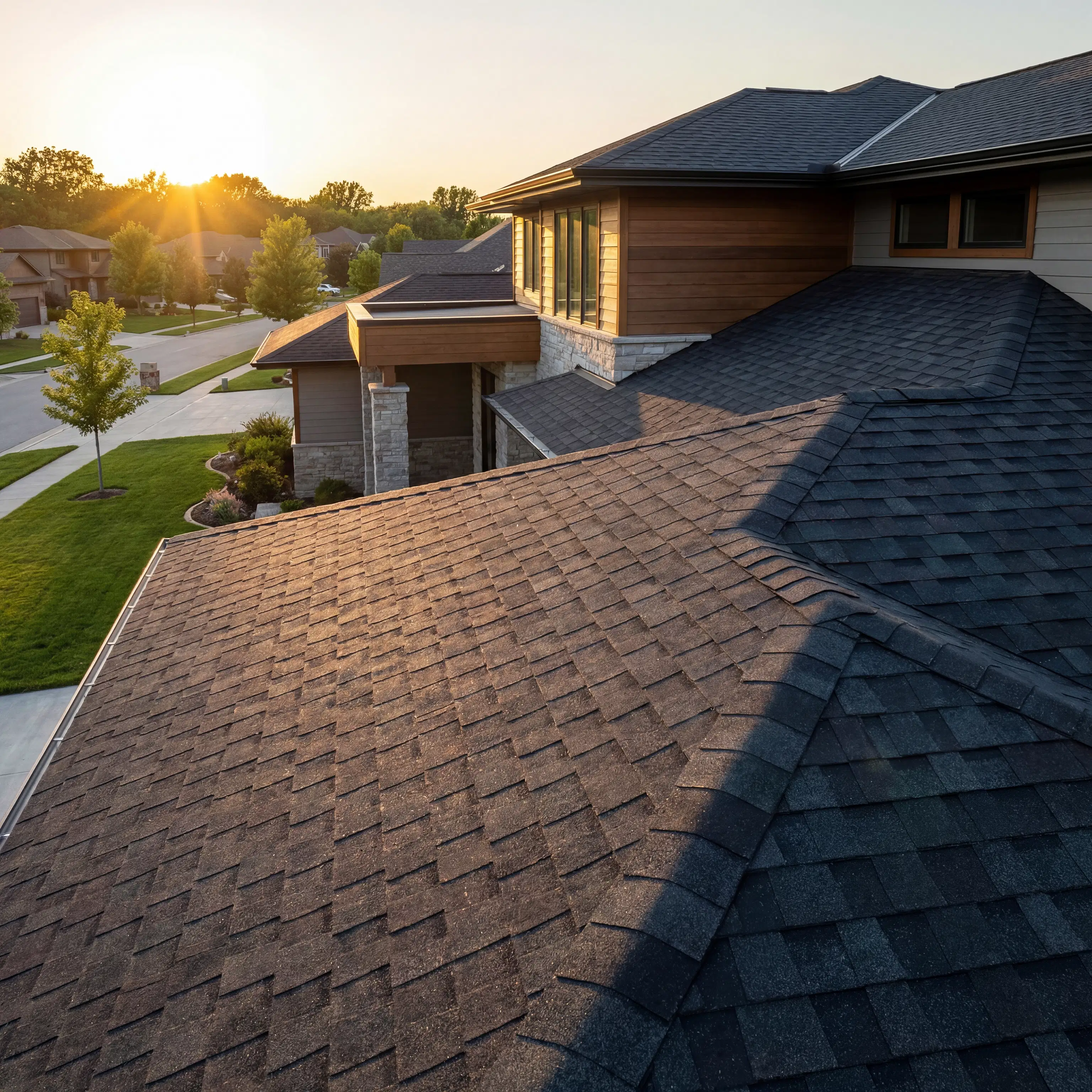
Simply put, a manufacturer's warranty covers defects in the physical roofing materials themselves. If the asphalt shingles you selected deteriorate prematurely, blister, or fail due to a flaw in how they were made at the factory, the manufacturer is responsible for covering the cost of replacement materials. In today's market, driven by strict regional building codes focused on climate resilience, manufacturers are producing incredibly durable products. Because of this, many top-tier brands offer robust coverage.
However, the term "lifetime" typically means "for as long as the original owner owns the home," and these warranties often become prorated after a certain number of years. This means the manufacturer might cover 100% of the material cost for the first ten to fifty years, but only a percentage of the cost after that period. Additionally, standard manufacturer warranties generally only cover the cost of the defective materials—they do not cover the labor required to remove the old shingles and install the new ones.
It is also crucial to note that manufacturer warranties can be completely voided if the materials are installed incorrectly, or if improper ventilation leads to premature wear. This brings us to the second, and arguably more critical, piece of the puzzle.
The Workmanship Warranty: Protecting the Installation
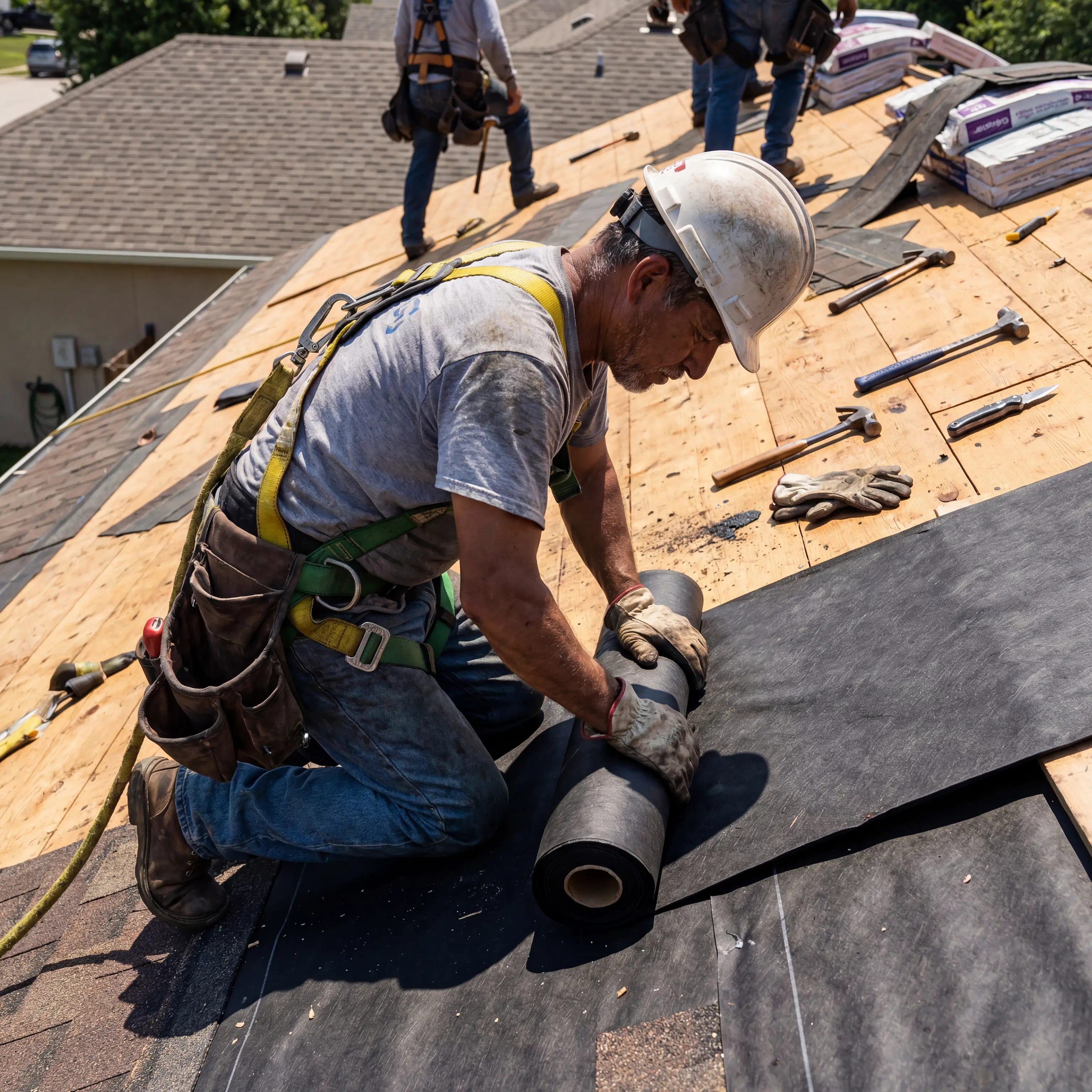
A workmanship warranty, also known as a labor warranty, is provided directly by the contractor who installs your roof. This covers errors in the installation process. Even the most advanced, climate-resilient shingles in the world will fail if they are nailed improperly, if the flashing is poorly integrated, or if the underlayment is compromised during application.
When homeowners reach out for emergency roofing repair, the culprit is rarely a defective shingle. Far more often, the issue stems from subpar installation techniques. This is a common pain point for homeowners who hire out-of-state storm chasers after a severe weather event. These transient crews often breeze through town, perform hasty work, and disappear by the time a leak develops, rendering their so-called labor warranty useless.
So, how to evaluate roofing contractor labor warranty terms? First, look for a local business with a long, proven history in your community. A workmanship warranty is only valuable if the company is still around to honor it. Ask for specific details: Does it cover just the repair, or the interior damage caused by the leak? How long does the coverage last?
At Frechettes Roofing and Remodeling, we have been a family-owned business serving our local communities for over 30 years. We never use third-party storm chasers. We manage the entire process internally, from the initial inspection to the final municipal sign-off. Because we are confident in the quality of our highly trained local crew, we provide a minimum 10-year labor warranty on our projects, alongside a lifetime roofing product warranty. We want our neighbors in The Quiet Corner and beyond to know that if an issue ever arises, we are just a phone call away.
Why You Need Both to Fully Protect Your Home
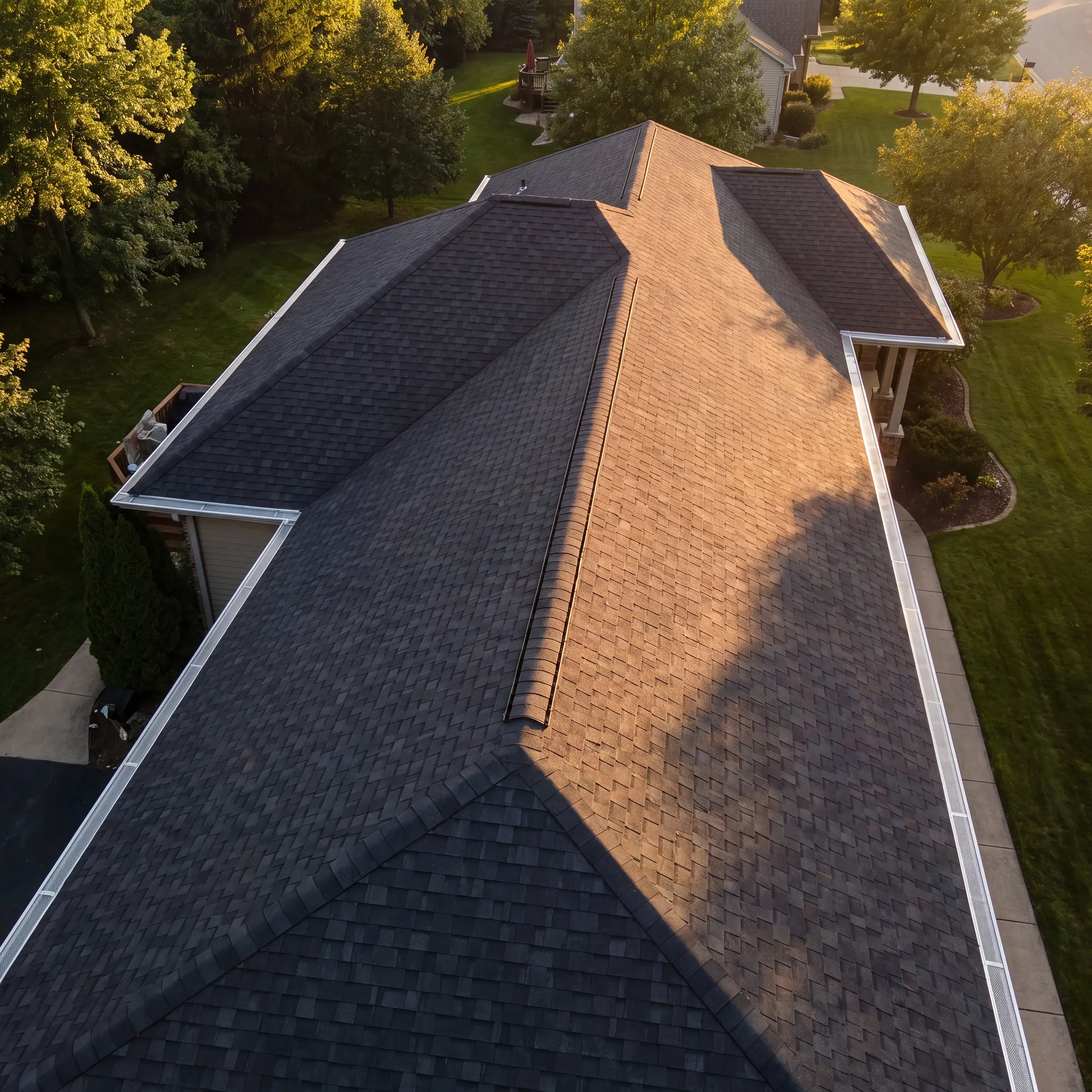
Understanding the difference between manufacturer and workmanship roof warranty coverage highlights why you absolutely need both for total peace of mind. If a manufacturing defect occurs, you need the material costs covered. If an installation error happens, you need a local contractor to step up and fix it without charging you for affordable roofing labor all over again.
The modern roofing industry has introduced incredible technology to ensure these warranties remain valid and enforceable. For instance, we utilize comprehensive digital inspections and transparent documentation. By taking detailed photographs and using advanced measurement tools, we ensure that every layer of your roof meets the manufacturer's strict installation guidelines, guaranteeing that your product warranty remains intact.
Whether you need a complete replacement or are navigating complex insurance claims after severe weather, working with a fully licensed, insured, and deeply rooted local contractor is your best defense. We pride ourselves on transparent pricing, clear communication, and offering flexible financing options so that securing a high-quality, fully warranted roof never has to strain your family's budget.
If you have questions about the condition of your current roof or want to learn more about the robust warranties we provide, please reach out. Contact our team at Frechettes Roofing and Remodeling today for a consultation on roofing or storm damage solutions, and let us protect your home for decades to come.